Turning Data into Action: Reflections from the Final NCEAS Environmental Data Science Summit
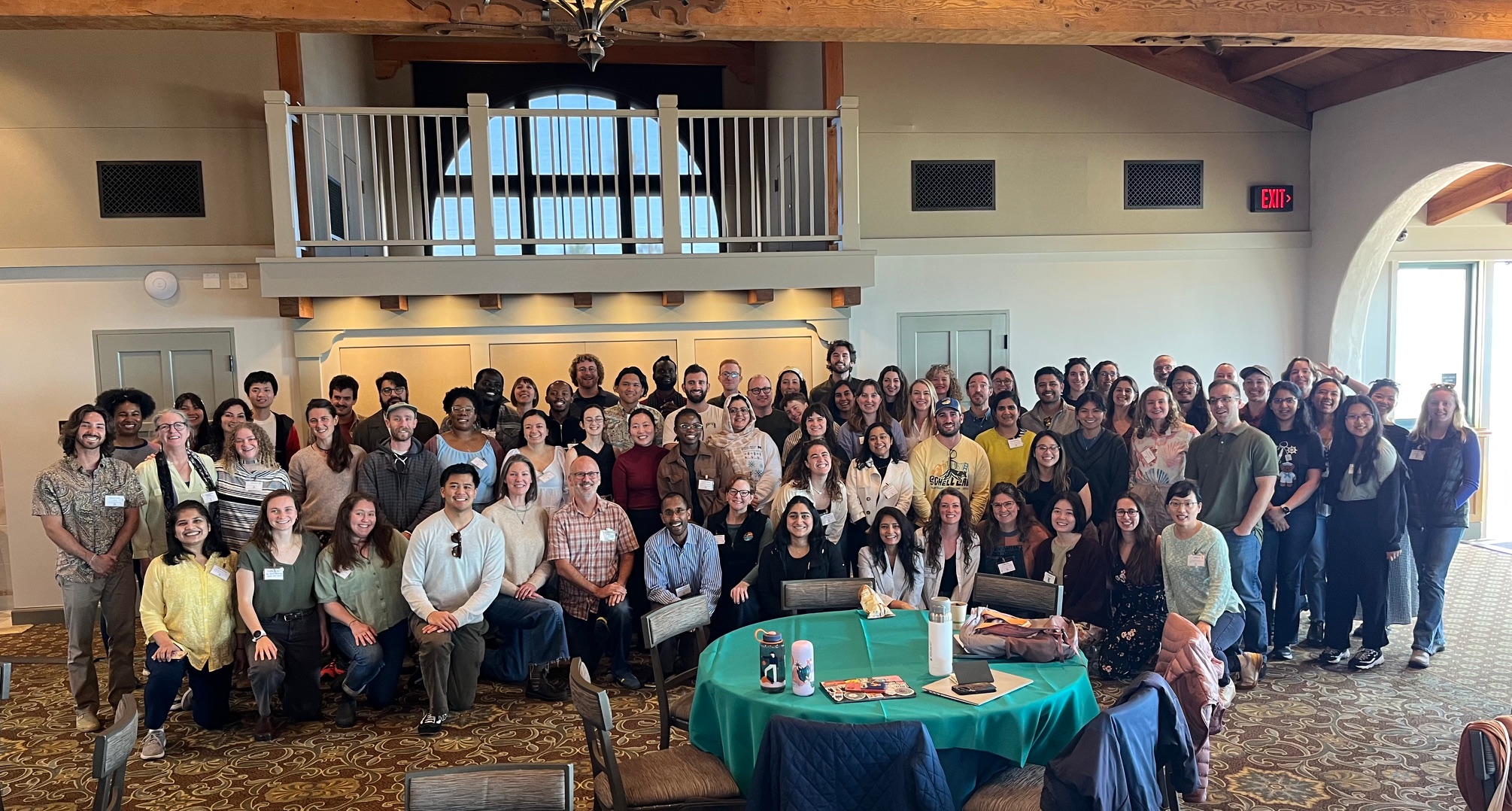
The National Center for Ecological Analysis and Synthesis (NCEAS) hosted the 2026 Environmental Data Science (EDS) Summit — its fourth and final gathering of environmental data scientists from January 27–29. With the summit focused on Turning Data into Action, the event brought together a diverse and dynamic community of practitioners eager to explore how environmental data science can make a real-world impact for policy, management, and community engagement.
A Gathering Built on Community and Collaboration
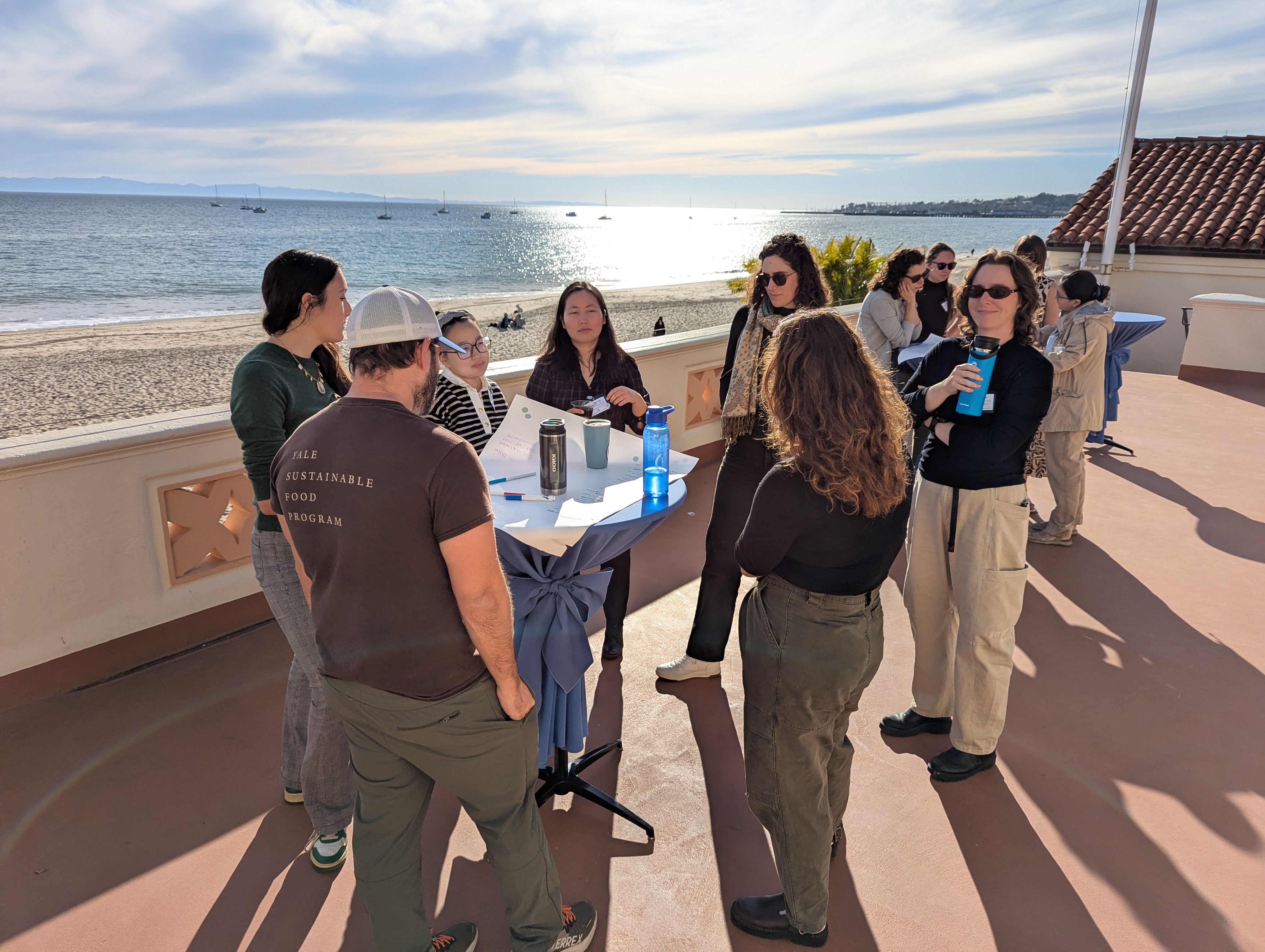
Despite battling winter storms and travel disruptions on their way to Santa Barbara, participants were rewarded with sunny skies and warm seaside inspiration once they arrived. For many, just being in the same room with peers who share a passion for using data to address environmental challenges was energizing and meaningful. Attendees described the summit as a unique chance to meet others in the field, exchange ideas, and begin relationships that will extend far beyond the three-day event.
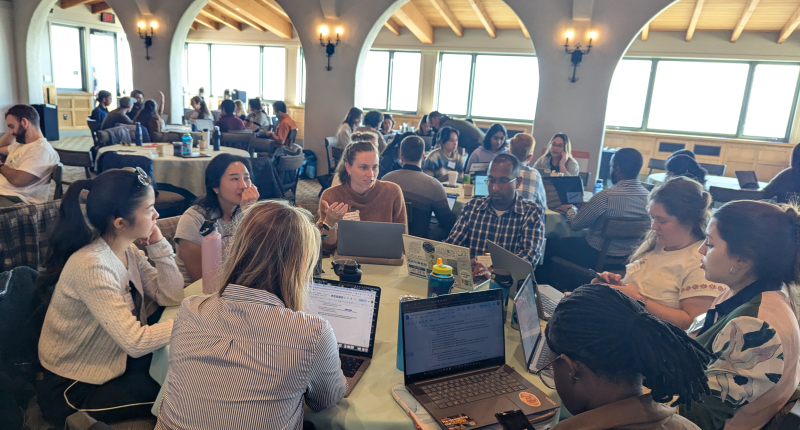
The summit’s “unconference” format encouraged open dialogue, creative thinking, and hands-on teamwork. Participants organized into small, interdisciplinary groups to brainstorm, prototype, and present actionable ideas — a process that many found extraordinarily rewarding given the short timeframe. From flash talks and posters to breakout sessions and final presentations, the atmosphere was one of curiosity, purpose, and mutual support.
Keynote Highlights: Insights and Inspiration
Two standout keynote speakers framed the summit’s discussions and set the tone for deep reflection and creative exploration:
Alex Reed — Project Manager, Mapping Black California
Alex Reed opened the summit with a compelling keynote on data’s role in addressing systemic inequities and advancing racial justice. As project manager for Mapping Black California, Reed shared how data preservation and local news engagement can strengthen accountability and public understanding — urging environmental data scientists to consider how data practices intersect with community health, equity, and advocacy.
Scott Reinhard — Cartographer & Former Graphics Editor, The New York Times
On the second day Scott Reinhard captivated attendees with a talk on visceral data graphics that reveal deep stories within complex datasets. Known for his beautiful, thoughtful visualizations that bridge art and data, Reinhard reminded participants that maps and graphics are powerful tools not just for analysis, but for communication and empathy — essential components of turning data into action.

Working Together Toward Real Impact
One of the summit’s most celebrated features was the collaborative spirit that permeated every session. Researchers and practitioners worked in diverse groups, pooling their expertise to design projects, refine ideas, and think through next steps for sustained impact. Many attendees commented on how much they valued this cross-disciplinary engagement — not just for solving technical challenges, but for building connections that strengthen the broader environmental data science community.
Reflecting on the experience, participants emphasized that this summit wasn’t just about sharing knowledge — it was about co-creating solutions and building lasting partnerships. For early-career researchers and long-time practitioners alike, the event was both a launchpad for new collaborations and a testament to the value of community-centered environmental data science.
Looking Back and Ahead
As the final summit in a four-year series, this year’s event marked a milestone in the development of the environmental data science community. Since its inception, the EDS Summit has nurtured connections, sparked projects, and encouraged inclusive conversations within an increasingly diverse field. Though this chapter has closed, the relationships, ideas, and momentum generated at the summit promise to carry forward. Participants left Santa Barbara energized and ready to turn data into action in their work and communities — exactly as the summit’s theme envisioned.