Conservation Aquaculture Research Team
Science to guide a burgeoning food sector toward a future that works with conservation goals
Aquaculture, or the farming of aquatic plants and animals, has become a significant contributor to the global diet and is the world’s fastest growing food sector.
The Conservation Aquaculture Research Team (CART) is a team of experts and analysts in ocean conservation, fisheries, and aquaculture with the mission of guiding this burgeoning food sector toward a future in which the industry works with, rather than against, conservation goals.
Aquaculture currently accounts for over half of the seafood people eat globally, and recently surpassed production from all wild-caught fisheries – including the fish used for other purposes, such as animal feed.
Despite this booming demand for farmed seafood, knowledge on how to farm our oceans sustainably, especially while meeting conservation goals, is relatively limited. NCEAS launched CART to address this need.
Using synthesis science, CART researchers continue to pursue projects within five broad themes
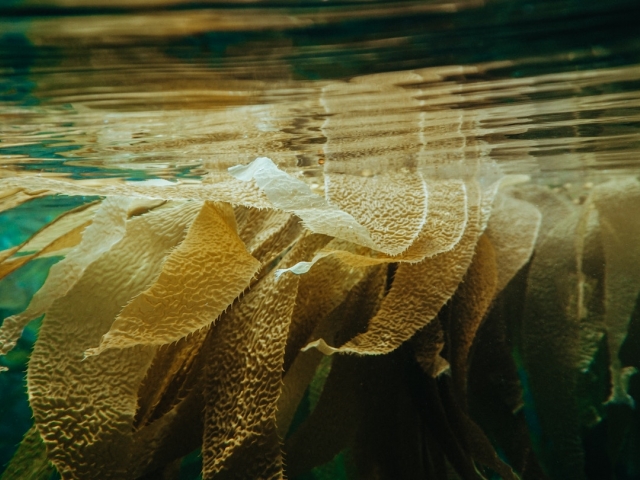
- Mapping: NCEAS researchers have tackled some of the most fundamental questions about where aquaculture is happening, how productive each location is, and where production could expand to – critical information that was previously unknown. More recently, researchers have focused on mapping the ‘forgotten third’ – seaweed farming that is a third of global production but largely ignored scientifically.
- Environmental impacts: Like all food production systems, aquaculture is vulnerable to environmental pressures such as climate change, pollution, and disease. NCEAS researchers mapped the current and future impact of climate change on aquaculture, including the impacts to aquaculture farmers, and how multiple pressures are affecting aquaculture production.
- Comparative environmental footprint: To better understand the environmental consequences of food systems, NCEAS scientists created a comprehensive comparison of all foods and found that aquaculture is one of the most sustainable options. Armed with the data from these studies, researchers were able to measure how diet shifts would change the global footprint of food, and are now assessing how those footprints impact global biodiversity.
- Growth Potential: As aquaculture continues to rapidly expand, understanding the factors that can limit or enable that growth are critical for policy and business decisions. Several studies led by NCEAS researchers evaluated the relative importance of these many factors, and new studies are exploring where and how to unlock limitations through innovations in feed sources and technologies.
- Site-specific case studies: Ultimately, the innovation, growth, policy and conservation related to aquaculture happens at local to regional scales. Several NCEAS projects have focused on the potential and limitations of aquaculture within California, and for offshore aquaculture in several countries.
CART is the new face of aquaculture science, one that works to inform the industry and management with the best available science for a sustainable future.
Hero image courtesy Cynthia Sandoval/NOAA