Meet the Newest Addition to the Gulf Ecosystem Initiative 2025 Cohort
Following the announcement of the 2025 Gulf Ecosystem Initiative Postdoctoral Research Fellows, we are thrilled to welcome a third postdoctoral researcher fellow to the Gulf Ecosystem Initiative (GEI), Dr. Nicholas Tucker. Nick brings expertise in marine megafauna ecology and will focus on one of the Gulf’s most critically endangered species.
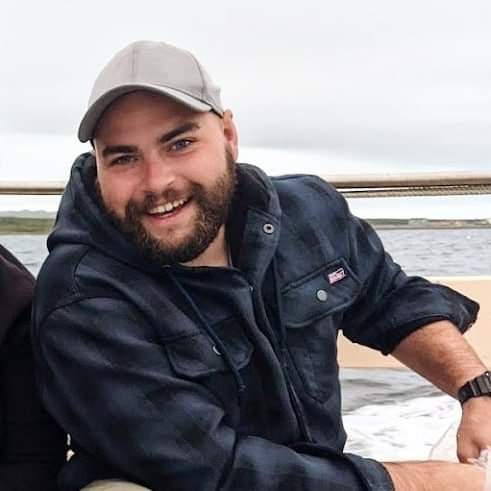
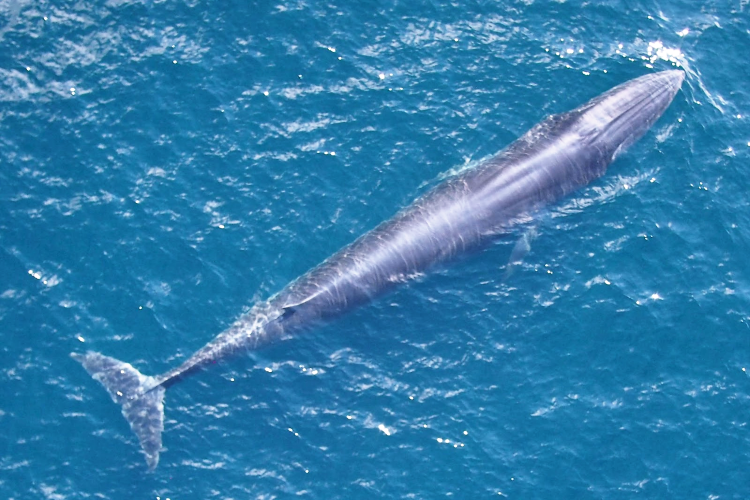
Tucker’s GEI project addresses urgent conservation needs for Rice's whales and other cetaceans in the Gulf. With expertise in marine ecology and species conservation, Nick's research aims to inform critical habitat designations and management strategies for the Western Hemisphere's only resident baleen whale.
Nick's project tackles multiple interconnected questions about cetacean conservation. As he explains:
"The main goals of my project are to identify which environmental and anthropogenic variables influence cetacean foraging hotspots in the Gulf of America (formerly, Gulf of Mexico). Furthermore, I am interested in characterizing how noise pollution and other disturbances affect predator-prey interactions at different spatial and temporal scales; particularly with an emphasis on marine megafauna in the Gulf including the Rice's whale (Balaenoptera ricei). Lastly, I am interested in asking whether we can quantify the degree of habituation versus avoidance in cetaceans exposed to chronic human activity, and what evidence exists in the literature to support this distinction."
This research comes at a critical moment for Rice's whales. The species faces mounting threats from vessel collisions and noise pollution, compounded by recent policy setbacks. Nick highlights the urgency: "The Gulf is an oligotrophic, dynamic seascape characterized by exceptionally high biodiversity. While some scientific records here stretch back 230 years, many questions remain. Rice’s whales are the Gulf's only resident baleen whale and remain highly susceptible to vessel collisions and noise pollution. The last 16 years have been particularly tumultuous for the species: After the Deepwater Horizon oil spill, they were identified as a new species (formerly the GOM Bryde's whale) and listed as critically endangered, with only about 51 individuals remaining. Although managers have advocated for critical habitat designations, the recent rollback of vessel speed restrictions (90 FR 8353) and industry pushback have delayed these protections, with a formal reassessment now postponed until 2027. It is my hope that my analysis will help provide additional historical evidence supporting the establishment of a critical habitat area."
The challenges Tucker addresses extend beyond a single species. Understanding how cetaceans respond to human activities — and distinguishing between habituation and avoidance behaviors — has implications for marine conservation throughout the Gulf. By examining these patterns across different spatial and temporal scales, the research will provide managers with tools to balance conservation needs with the economic realities of Gulf Coast communities.
Tucker emphasizes the collaborative nature of this work: "The small population size of Rice's whales makes them notoriously difficult to study, leaving significant gaps in our understanding of their ecology. Addressing this challenge requires broad collaboration between scientists, industry leaders, and policy managers. By pursuing Gulf-wide projects, we can develop strategies to conserve the Western Hemisphere's only resident baleen whale while respecting the economic and societal needs of Gulf Coast communities."
This synthesis approach aligns perfectly with NCEAS's mission to bring diverse stakeholders together to address complex environmental challenges. Tucker’s work will draw on historical data, recent observations, and cross-disciplinary expertise to build a comprehensive picture of cetacean ecology in the Gulf, research that could prove vital as managers prepare for the 2027 reassessment of critical habitat protections. Additionally, as part of his residency at NCEAS, Tucker will support the 2025 Gulf Ecosystem Initiative Working Groups whose projects also focus on a more sustainable future for the Gulf.
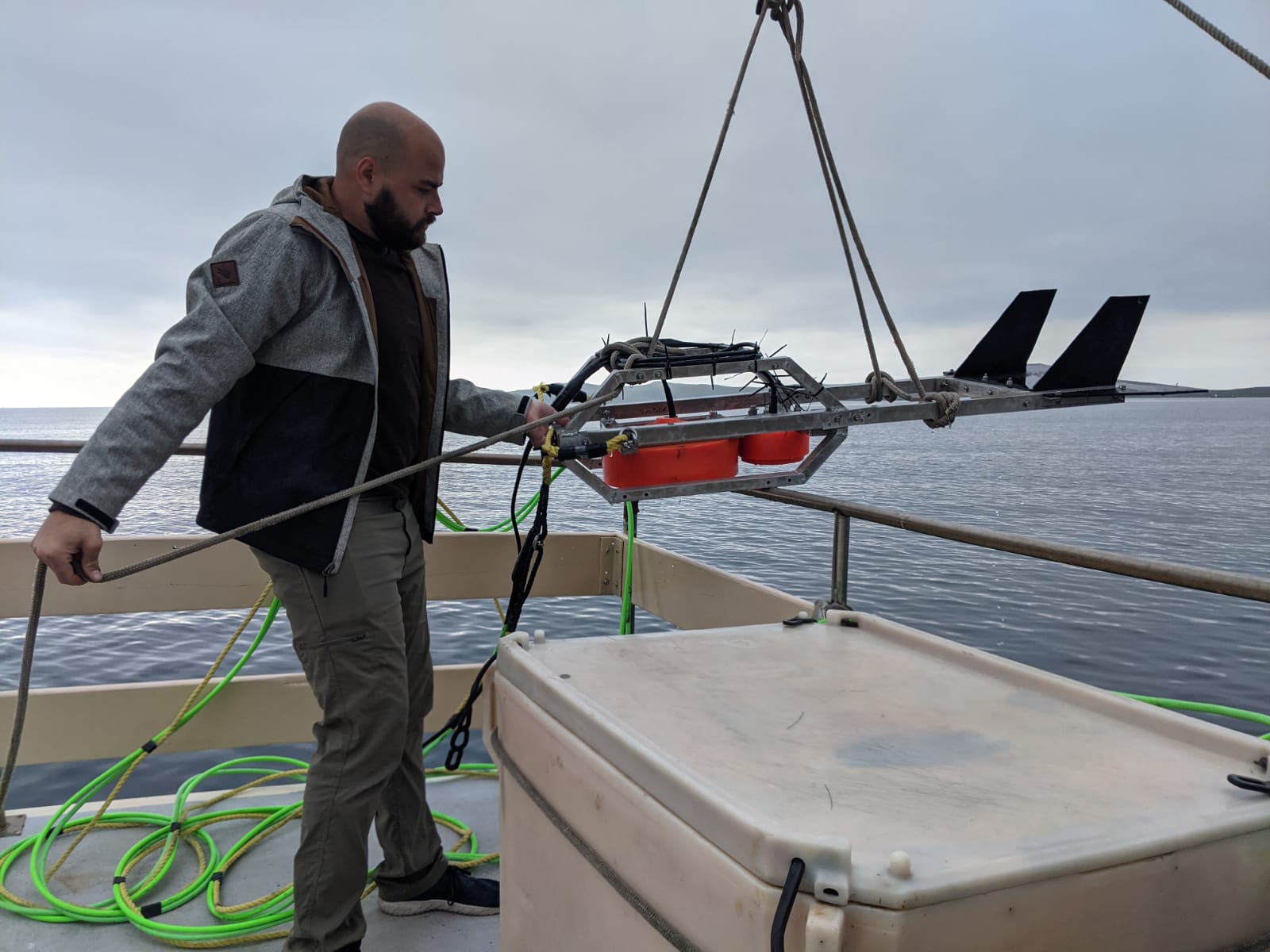
At NCEAS, nearly 200 postdoctoral fellows have advanced their careers within our unique infrastructure and community over the past three decades. Together, we've reshaped synthesis science through open, inclusive, and collaborative solutions to today's environmental challenges.
Interested in joining our next postdoc cohort? Applications close February 20th, 2026!
Subscribe to our newsletter and follow us on social media to stay updated.